Aircrew Parachute Harness/Pack – Vulcan & Victor Crew Seats: Military Flight Crew Equipment
Aircrew Parachute Harness/Pack – Vulcan & Victor Crew Seats: Military Flight Crew Equipment
Blog Article
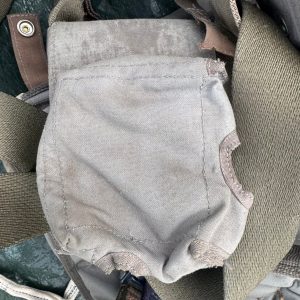
The Aircrew Parachute Harness/Pack – Vulcan & Victor Crew Seats is a specialized military aviation component associated with compatible aircrew seating and emergency equipment configurations.
An Aviation Parachute Harness and Pilot Parachute Harness should be identified through labels, part numbers, manufacturing records, and configuration-specific information.
Whether buyers seek an Aircraft Emergency Parachute Harness, Aircrew Safety Harness, Flight Crew Parachute Harness, Emergency Parachute Harness, or Military Aircrew Harness, exact system identity should guide evaluation.
An Aviation Emergency Escape Harness may include webbing, fittings, attachment points, adjustment hardware, container-related components, and seat-interface features depending on the exact design.
An Aviation Safety Harness, Flight Parachute Harness, and Aircraft Parachute Equipment listing should distinguish between operationally inspected equipment, untested historic material, display-only components, incomplete assemblies, and parts items.
Understanding the Vulcan and Victor Aircrew Harness/Pack
A visually similar military parachute harness may not belong to the same aircraft, seat, check here or operating configuration.
Complete package information helps buyers estimate restoration needs and historical value.
Understanding Aviation Harness Materials
An Aviation Parachute Harness typically relies on load-bearing webbing, reinforced stitching, metal fittings, adjustment hardware, attachment points, and configuration-specific connections.
Repairs should not be assumed acceptable merely because they appear neat or use similar-colored material.
Military Aircrew Harness Adjustment
Historic equipment intended for display should remain clearly separated from equipment evaluated for operational use.
Missing keepers, retainers, pads, straps, or adjustment pieces can affect completeness and appearance.
Evaluating Historic Escape Equipment
Its effective function depends on the complete relationship between harness, pack, canopy, seat, releases, attachment points, and crew procedures.
Paint, plating loss, scratches, or movement marks may provide information about previous use and storage.
Choosing an Aircrew Safety Harness
The intended function should be established through technical references and component markings rather than appearance alone.
Metal parts should be isolated from materials that may encourage corrosion or staining.
Historic Flight Equipment Condition Review
The listing should note webbing color, flexibility, staining, fraying, stitching, hardware condition, labels, odor, storage marks, repairs, and missing parts.
Any known aircraft history, crew-seat association, unit provenance, or acquisition records should be presented carefully and supported when possible.
Inspecting an Emergency Parachute Harness
A documented inspection preserves both technical information and collector value.
Leather or rubber components may harden, shrink, crack, or become brittle during storage.
Historic Military Aviation Harness Equipment
Responsible descriptions should distinguish verified history from seller interpretation.
The equipment should be mounted through reversible methods that avoid cutting, drilling, gluing, or permanently altering original material.
Evaluating Emergency Escape Gear
Missing components can limit the accuracy of a restoration or display.
Reference photographs and manuals may help reconstruct the intended arrangement.
Evaluating Assembly Completeness
The exact configuration should be listed clearly so buyers understand what is included.
Loose components should be photographed, labeled, and packaged separately so they are not lost or mistaken for unrelated hardware.
Choosing Aircraft Crew Safety Equipment
Each item should be identified and evaluated individually because age, storage, configuration, and service history can differ.
Original dirt, markings, or wear may provide useful historical evidence.
Military Flight Emergency Gear
Aircrew Emergency Equipment reflects the operational requirements, aircraft technology, crew roles, and safety practices of its service period.
Modern additions used for display should remain distinguishable from original components.
Military Pilot Escape Equipment
A previous inspection stamp does not establish current suitability.
Opening a historic pack can disturb original packing arrangements, seals, labels, or documentation.
Preserving an Aviation Harness Assembly
An Aviation Safety Harness can become a strong centerpiece within a military aviation collection, crew-seat display, cockpit reconstruction, or museum exhibit.
Interpretive labels should distinguish verified facts from uncertain history.
Military Harness Purchase Considerations
A collector may prioritize originality and aircraft association, while a restoration buyer may focus on matching fittings and seat compatibility.
Price should reflect the complete evidence rather than aircraft-name keywords alone.
Aircraft Parachute Equipment Compatibility
Visually similar fittings can have different functions, load requirements, or attachment relationships.
Historic photographs and technical references can guide arrangement when available.
Vulcan and Victor Harness Condition Guide
Photographs should show every major surface and identification marking.
- Determine whether the canopy, deployment components, release equipment, inspection cards, storage bag, manuals, or other items are included.
- Inspect stitching for broken threads, loose patterns, separation, contamination, fading, and previous replacement.
- Confirm the seller’s invoice, payment protection, packaging method, shipping insurance, inspection period, and return conditions.
Storing the Aircrew Parachute Harness/Pack
The assembly should receive padded support so heavy hardware does not rest directly on aged webbing.
Any suspected mold or chemical contamination should be isolated and assessed carefully.
Reversible Aircrew Harness Mounting
Padded ties, archival supports, or reversible brackets may help maintain the display while avoiding permanent alteration.
The equipment should remain accessible for periodic inspection without requiring extensive dismantling.
Aircrew Harness Condition Monitoring
Polishing corroded hardware may damage plating or stain surrounding webbing.
Documentation should record every intervention, added component, cleaning method, and display modification.
Selecting a Crew-Seat Harness and Pack
The Aircrew Parachute Harness/Pack – Vulcan & Victor Crew Seats can provide significant restoration, display, research, educational, and collector value when its identity, condition, completeness, and aircraft association are verified.
Buyers should request detailed photographs, accurate condition descriptions, complete package inventories, secure transaction terms, protective shipping, and specialist review where appropriate.
Whether collectors search for an Aviation Safety Harness, Flight Parachute Harness, or Aircraft Parachute Equipment, historical value should remain separate from operational suitability.
With accurate identification, preservation-focused care, suitable environmental control, and careful interpretation, the assembly can remain an important military aviation artifact.
Report this page